
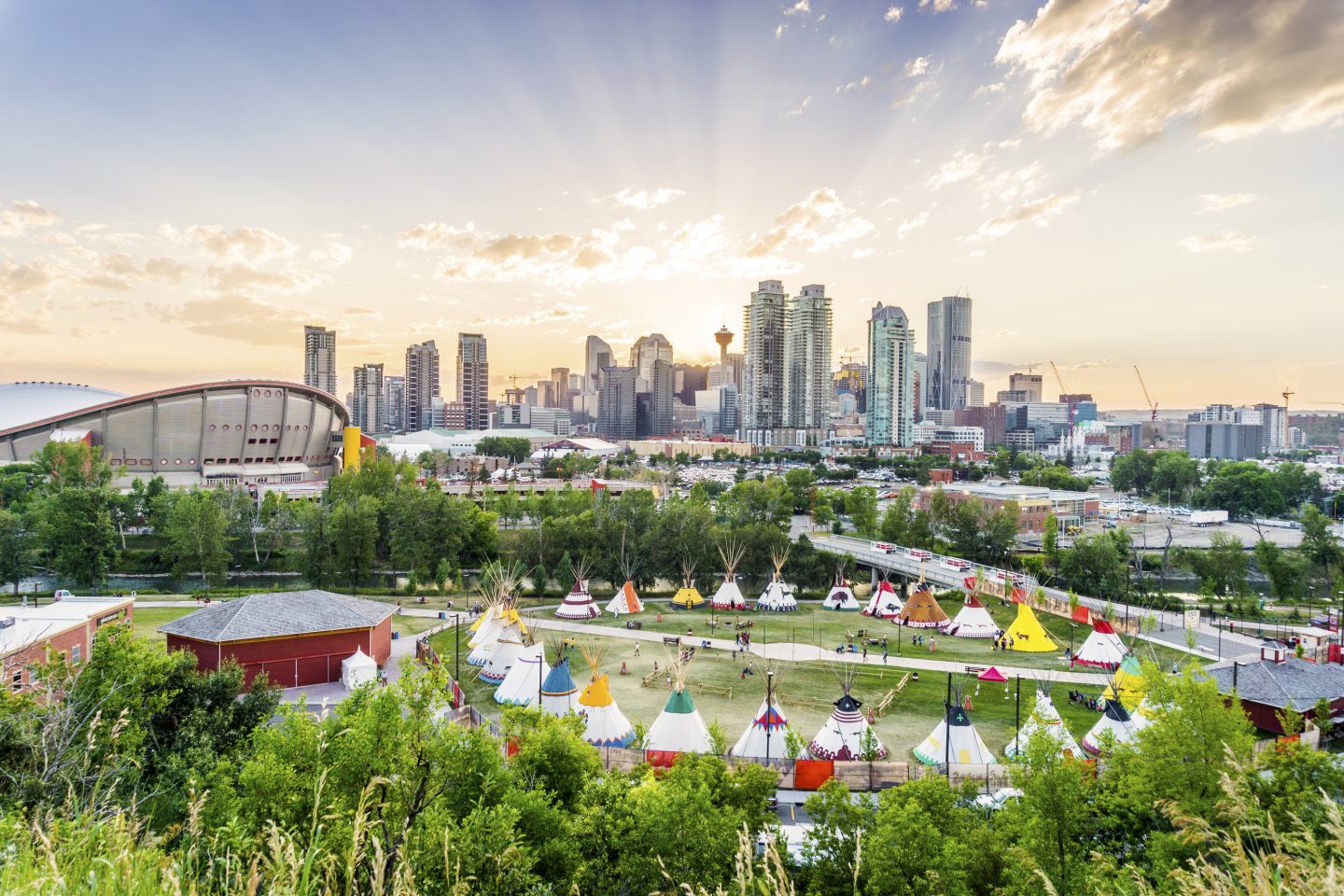
Welcome! The Calgary Heritage Initiative presents a series of articles throughout 2025 commemorating the 150th anniversary of the construction of Fort Calgary at the confluence of the Bow and Elbow Rivers, an important meeting place for people for millennia. Each month we’ll present one era in Calgary’s history.
Sign up to CHI’s newsletter and join us to explore the history and heritage of our region.
The Next 150
Together, we’ve journeyed through several thousand years of human history in the Calgary area.
It’s been a remarkable ride and I hope you’ve enjoyed learning about our city and discovering new aspects of its history and character.
The photos included throughout are just some of what’s available in the Glenbow Archives. You can also check out the City’s Archives or Inventory of Historic Resources, and there’s also a guide to public art that holds many stories about our city. Whether it’s through archives, or Jane’s walks or presentations by historical societies, there’s so much more for you to discover.
Summarizing
If I had to summarize the year’s worth of articles, there are two points that come to mind.
The first is that Calgary has experienced rapid growth over its very short history. From the small Indigenous bands that camped throughout the year at several points throughout the city, to becoming the home of upwards of 1.5 million people, Calgary’s pace of change is astounding.
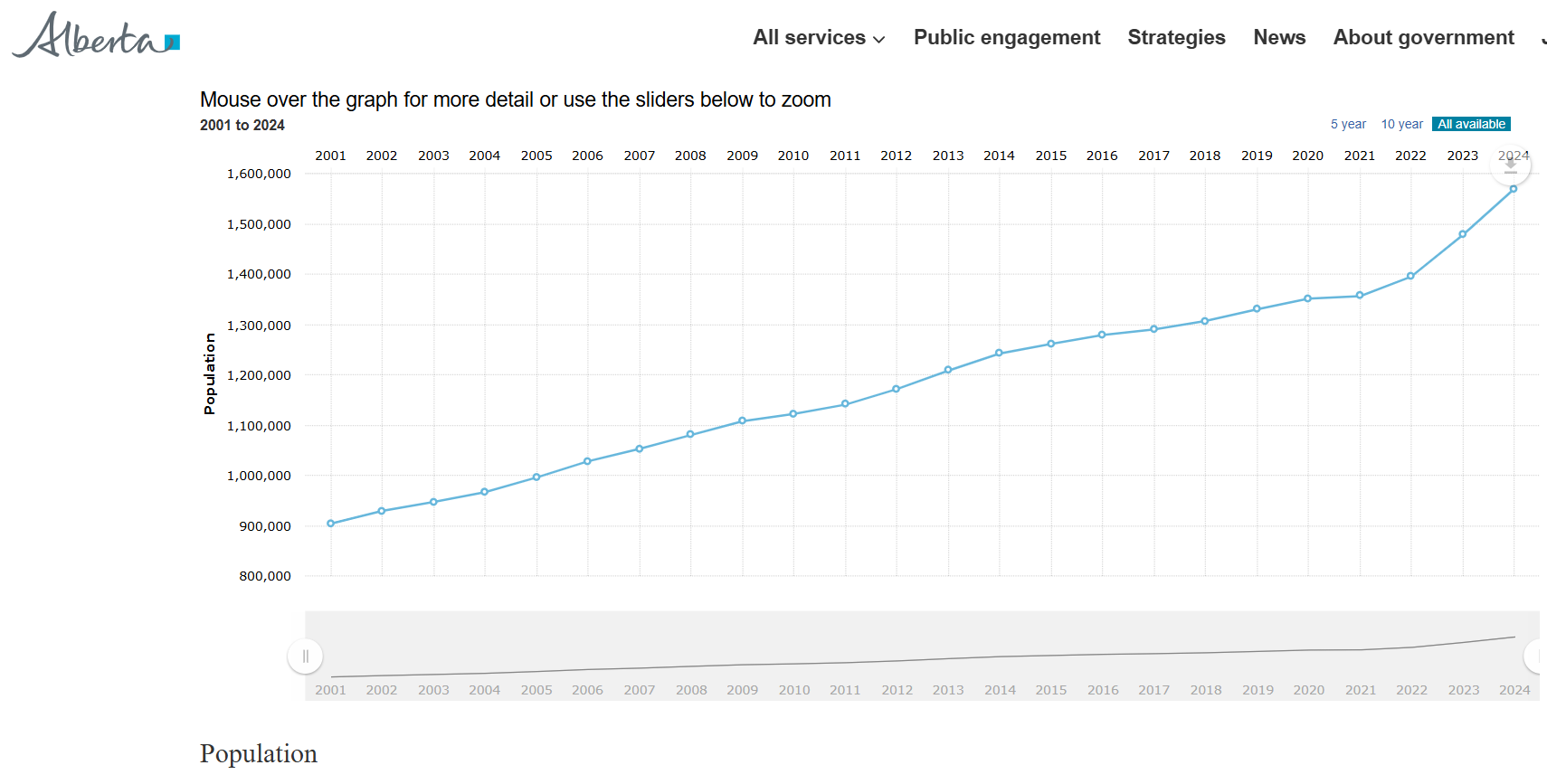
The pace of change has not always been constant, with periods of faster growth followed by time in the doldrums or of outright decline.
Growth in waves can take its own toll, as much as stagnation or decline. We’re a city with a larger footprint than much “bigger” cities, including New York City and Montreal. We’re also a city with remarkable livability and access to nature.
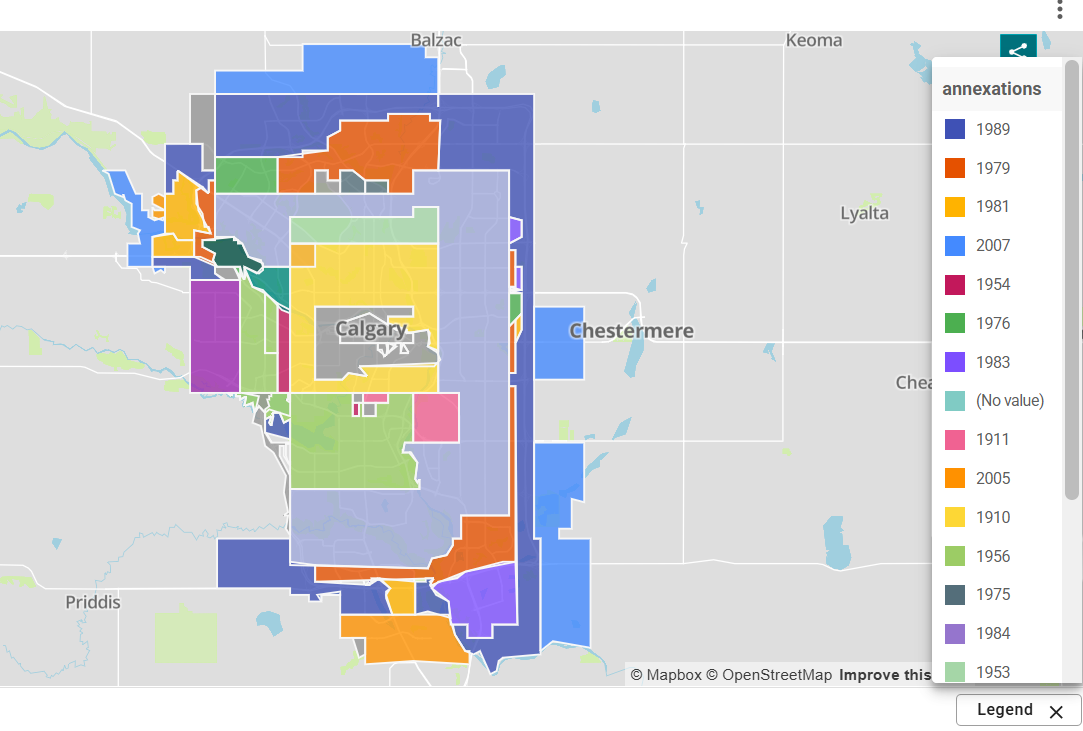
At times, the rapid pace has come at the expense of our heritage and cultural assets. On the other hand, the pace has offered ample opportunities for success and prosperity.
This connects to my second point: Calgary’s heritage is strongly tied to its economic history. Fort Calgary was raised at the fork of the Bow and Elbow Rivers. The location was suitable because of the area’s beneficial ecology as well as its position both on the traditional Old North Trail and on the seasonal round that followed the buffalo, who forded the shallower parts of the river and grazed on the rich grasses growing throughout the area. The crossing of the east-west seasonal round with the north-south trading route means that Calgary is located where X marks the spot. It’s no wonder that these important travel and trade routes became the site of the future police fort.
Following the establishment of law and order with the arrival of the North West Mounted Police, economic opportunities in southern Alberta became available to those willing to take the risk, which called to people from all around the world. The benefits of prosperity are seen directly in the different eras of Calgary’s history, from traditional (First Nations and Metis), to agriculture (Cow Town, Stampede City), to finance (Sandstone City), to oil and gas (Oil Town/Capital, Boom and Busts), and beyond (Olympic City).
Perhaps this is one reason why retaining our heritage has been so difficult, since buildings for business purposes are viable only as long as they generate a return. When they reach the end of their life, or are no longer productive, the building is removed and replaced with a productive asset. It’s creative destruction at its most basic, and so what’s heritage got to do with it?
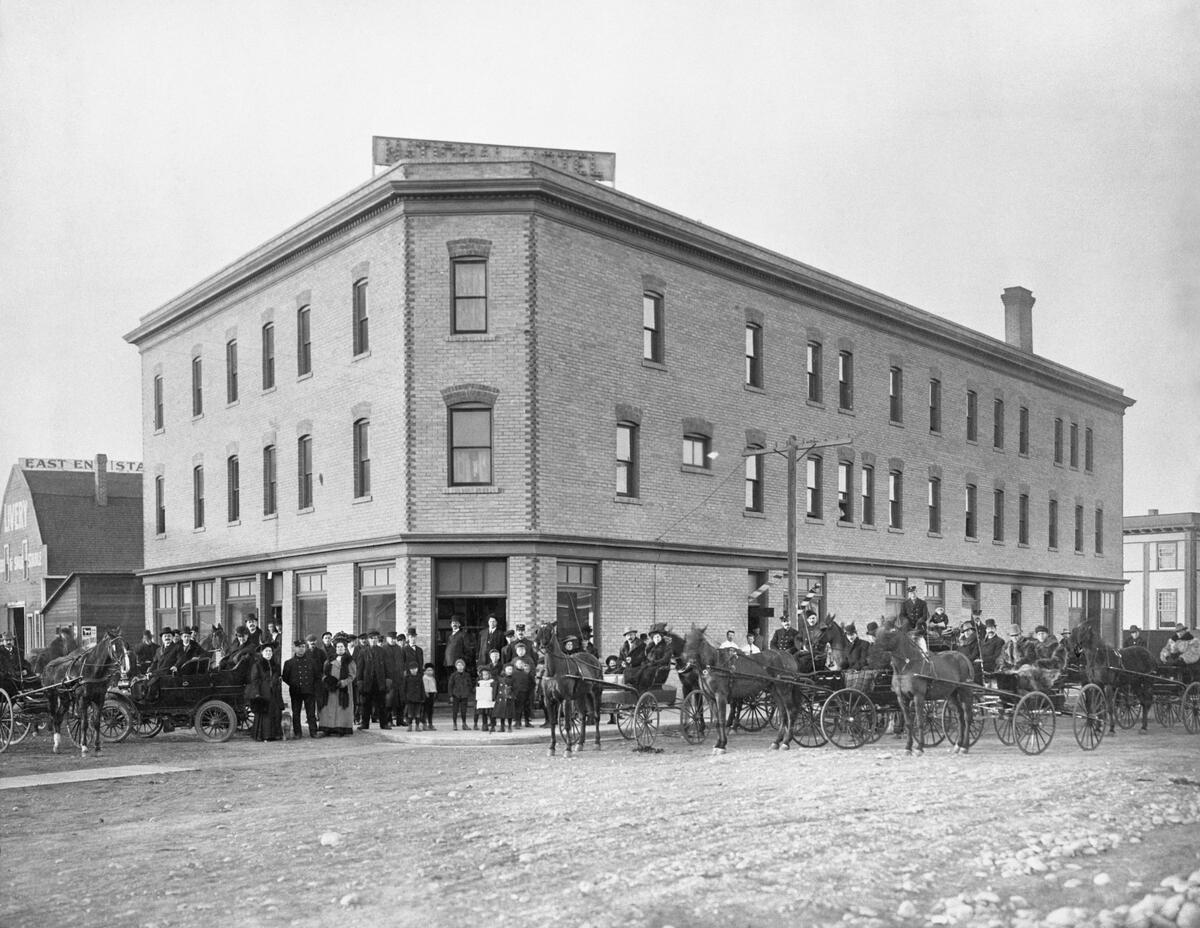
A key example that comes to mind is Calgary’s first hotels.
Practically every one is gone, except for the National Hotel and its neighbouring stable. It’s unbelievable that this heritage asset in the historic neighbourhood of Inglewood is unprotected, but it proves the point that a building is only so good as it generates a return. The fact that it’s unique and represents the long-gone Cow Town era of Calgary seems secondary. Prioritizing its unique history and preserving its fundamental components, its look and feel, are goals that Calgarians will have to communicate to taxpayers, owners and civic leaders alike if we’re to keep our heritage alive.
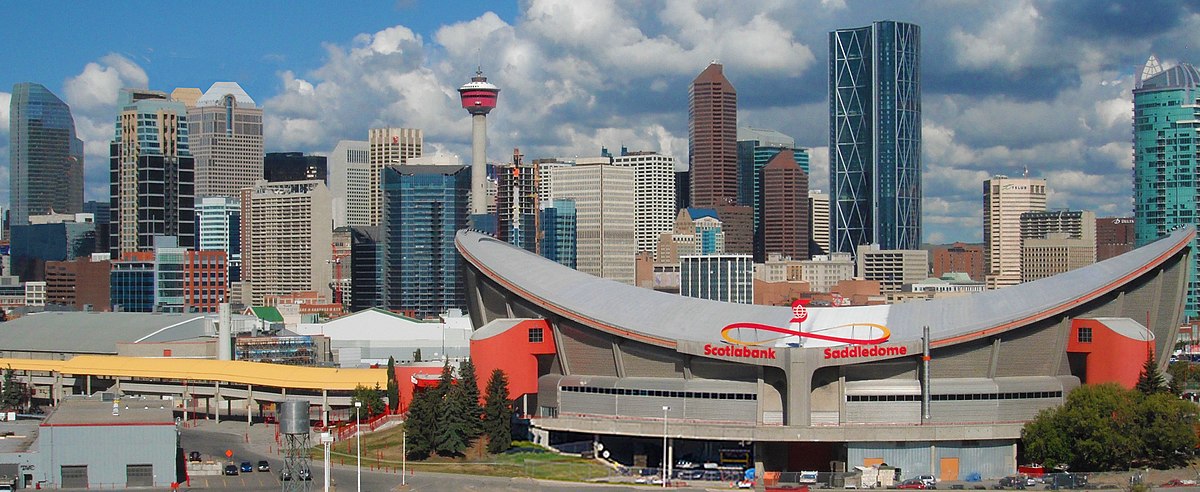
A more recent example is the Olympic Saddledome.
After the Calgary Tower, our iconic arena is probably the most unique building in the city and has come to represent not only Calgary but its spirit and history. Yet it’s slated for demolition to make way for a new arena. No one stepped forward to repurpose the building. There was no will to keep it. It will go down, and goodness knows what we’ll lose with it. The same question applies to keeping heritage homes, districts, and neighbourhoods. Without some plan to keep and maintain them, they’re all at risk of being lost forever.
Heritage Matters
The preceding summary raises a key point: why bother keeping heritage buildings if they are so difficult to keep?
Fundamentally, human beings desire meaning in life. Part of finding meaning is knowing our place in the universe. Whilst we’re all on our own journeys, and our place is something each of us must explore for ourselves, we are helped along the journey in many ways.
One of those ways is learning and understanding history. It’s about questions that every person will ask at some point in their lifetimes: Why am I here? Where do I come from?
There’s several layers to these questions of course, but why you’re in this neighbourhood, this city, this province and this country are important parts of that story.
The preceding questions may naturally lead you to ask how this neighbourhood and city got here in the first place. I’ve wondered about the story of Calgary many times, most especially when I was overseas. Writing this article series has uncovered so many things about Calgary I never knew, and has revealed to me the many layers to our collective story.
Books and museums have an important role in telling the history of Calgary and southern Alberta, as does Heritage Park. But there’s nothing that can simulate the effect that a historical building has on a person. You may not even be aware of its effects, but it’s there nonetheless.
Seeing a historic building, being with it, enjoying its aesthetics and observing its architecture and building materials is like time traveling. It’s a moment when the world around you widens beyond the task ahead of you or the problem you are facing. It leads you to think about bigger things, to recall the legacy our society has inherited, and to consider what meaningful role an individual might have today that could last for 50 or 100 years or longer.
Standing next to a historic building might be similar to the Japanese form of therapy called shinrin-yoku (“forest bathing”). Forest bathing is used to describe the mental and physical health benefits of visiting a forest, such as lower stress levels. For me, it also feels good to experience a sense of awe about nature, its vastness and complexity. And its fragility.
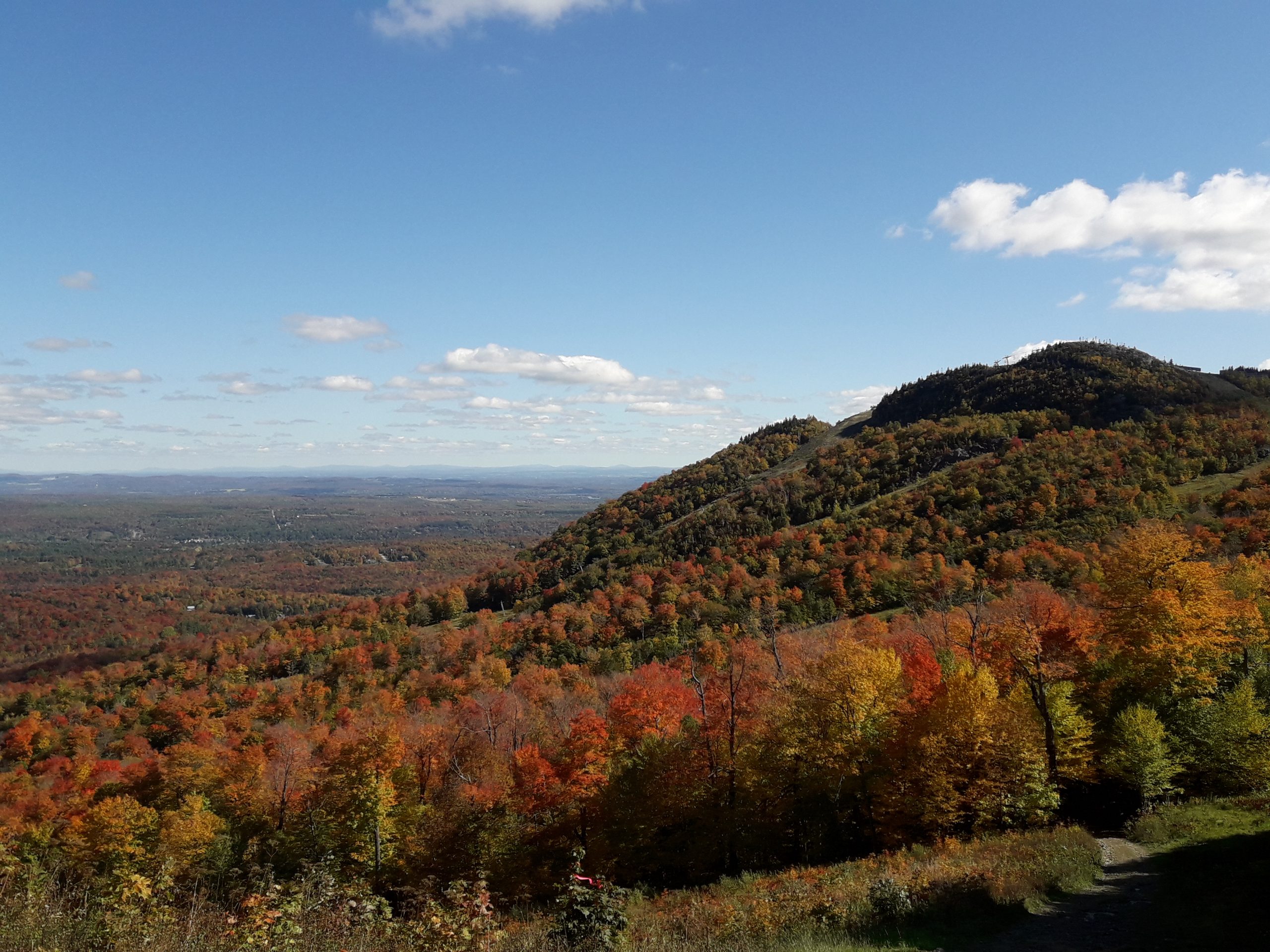
I think the same feelings apply when seeing a historic building – though in this case they are due to the vastness of time, and to considering the extraordinary effort and capabilities of people in far less technological times. History, like nature, is awe-inspiring and generates an awareness of our lives that can be difficult to find if you don’t take the time to immerse yourself in different surroundings. What better way to reflect than to visit somewhere that’s out of time, to see a place in its historical setting, to hear a squeaky floor and see the materials and items of another era.
Are there academic studies about “history bathing”? Perhaps they are, but I’ve done enough research for this article series 🙂
Rather, I’ll just point to some figures that I think represent the importance of being with history in a place. In 2024, over 51 million travelled to Rome, about 48 million people visited Paris, and 6.6 million went to Dublin. These are undoubtedly cities and countries replete with history, and I can tell you there’s nothing like standing in the medieval Latin Quarter of Paris or touring the once-buried city of Pompeii or walking into a Stone Age monument in rural Ireland.
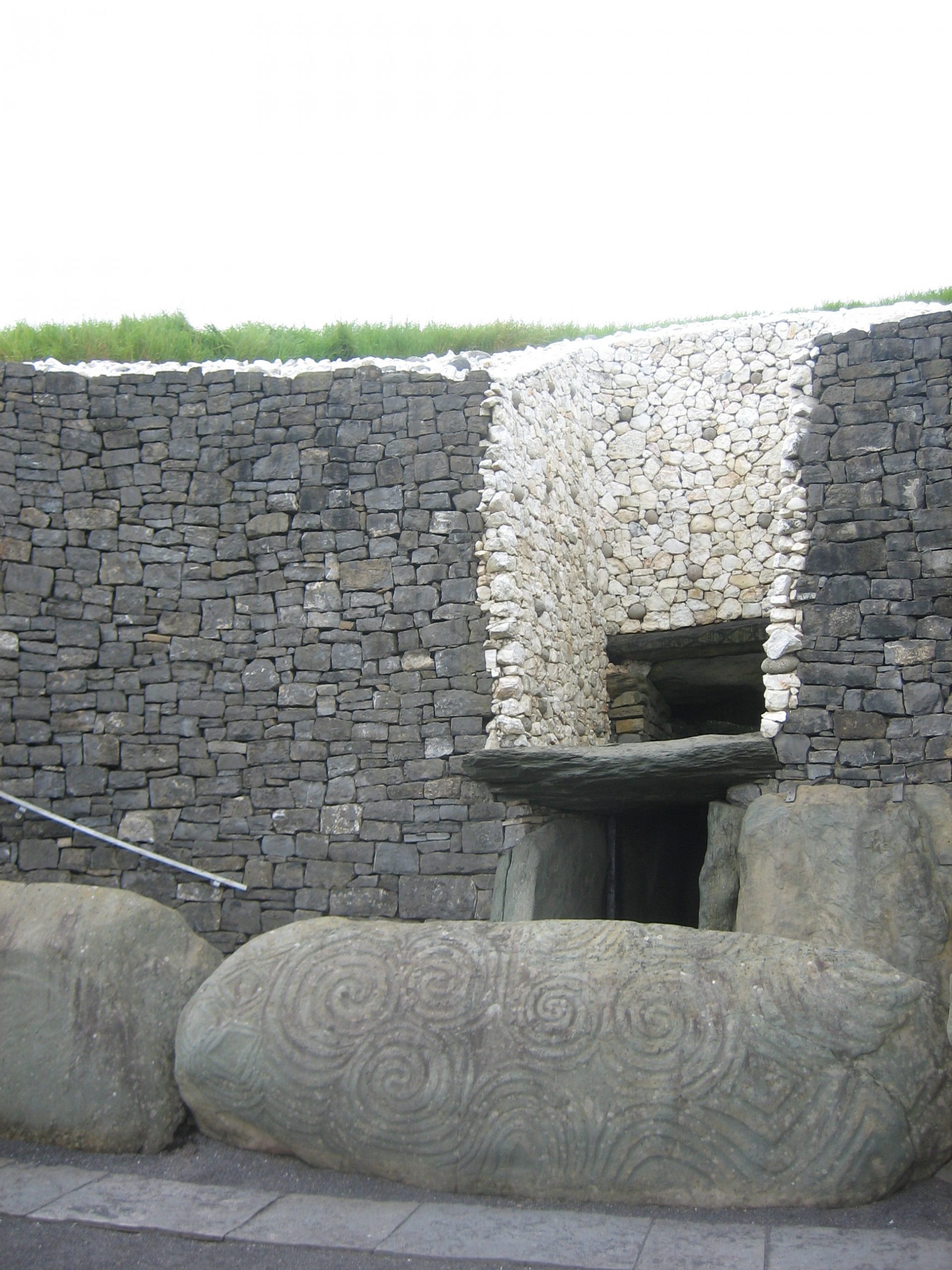
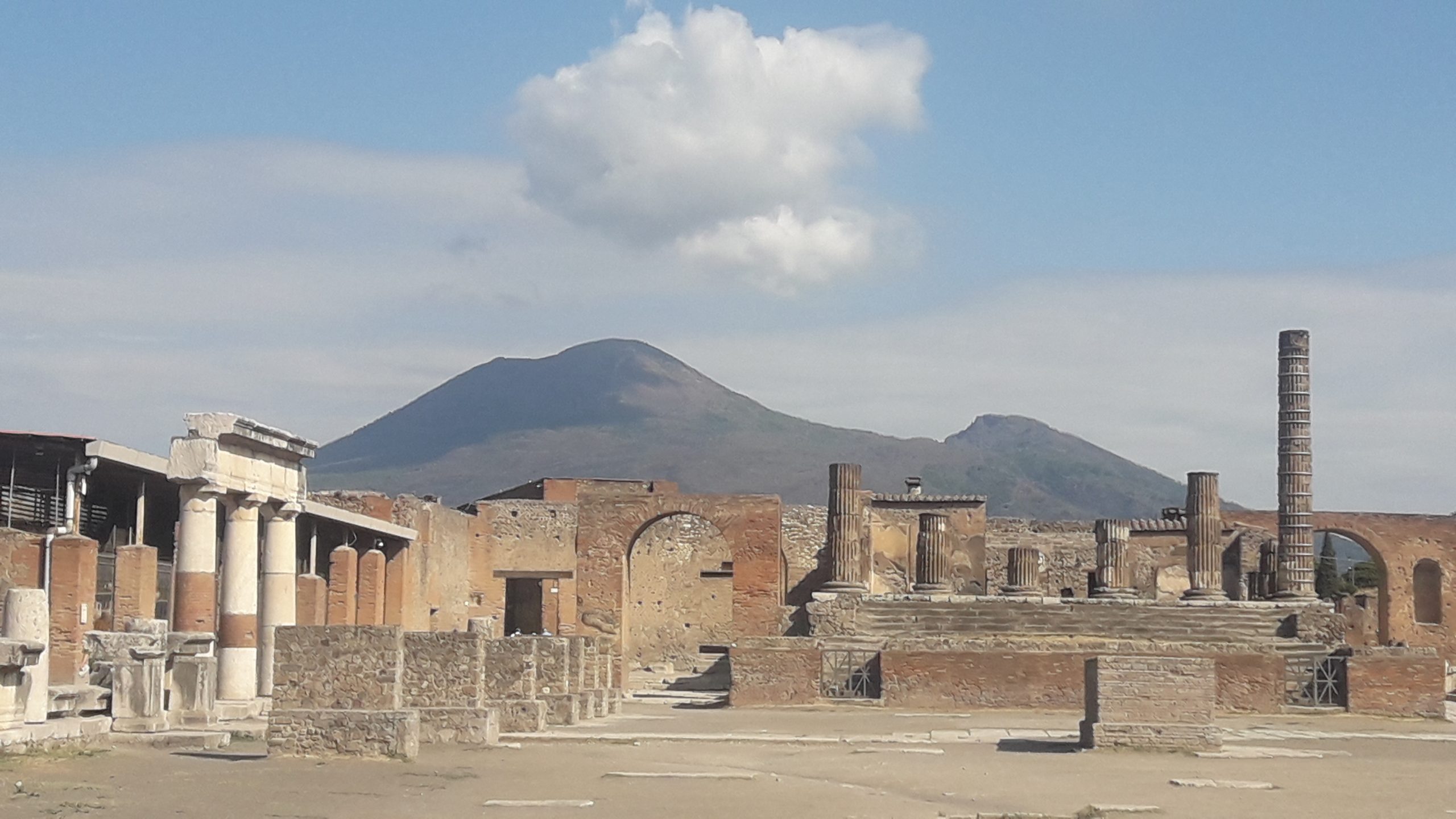
These were extraordinary moments and I hope you have had or will have the chance to visit these and other historic places.
But you can also just take a stroll down Stephen Avenue, visit Lougheed House or hike around Head-Smashed-In Buffalo Jump. Or take one of the self-guided walking tours that are linked to many of the articles in this series. These are all relatively easy and inexpensive ways to bring the history of Calgary to life.
That feeling of awe and awareness is awaiting you in your own city. Plus, there’s something special about being in your city, where its history is inextricably linked to your own.
Throughout this series, I’ve tried to weave a little bit about my own family’s story into the larger issues of Calgary’s history. It helped generate for me a new appreciation for the history of Calgary from prehistory to Indigenous habitation to the construction of a police fort and the growth of communities. I hope through this article series you were able to connect more with Calgary, and perhaps also with your own family story.
Heritage buildings help us to connect to places and to the stories of our own lives. They are vital to community liveability and to a place’s prosperity. No place or society is successful if it casually dismisses or purposefully erases its own history. And individuals are mentally and physically healthier when history is accessible and present in everyday life.
I received an email at one point during this article series that accused me of using ChatGPT or Grok to write an article, hence why it was full of supposed inaccuracies. I take responsibility for any errors, and welcome discussion about these or the complex issues that arise with any examination of our history.
But faking it or rushing it with AI? No way!
I want to state clearly that I’ve written everything you’ve read, I researched, corroborated and edited myself, with the help of CHI volunteers and any number of websites and books. Will a statement like this even matter in the next couple of years? Maybe, maybe not. What I do know is that in a world being upended by artificial intelligence, real world, personal experiences will be that much more valuable.
There’s no question in my mind that heritage matters. On that note, let me state emphatically that we must do a better job of preserving Calgary’s heritage buildings.
Preserving Heritage
I hope I’ve made the case for why preservation and historical storytelling is important. It’s part of the fabric of life in every place. It contributes to tourism, provides jobs, stores carbon, and values important skills and craftmanship. “Heritage is Living,” says the National Trust for Canada (https://nationaltrustcanada.ca/heritageisliving)
Now let’s look at the how – How do we decide what to keep and what to let go? How can we keep Calgary’s heritage assets? How do we maintain the past into a rapidly evolving future? And what does the future of heritage protection look like?
Heritage Calgary has done a fantastic job at researching and keeping Calgary’s Inventory of Heritage Assets. This article series would have been more difficult if not for the valuable information and stories contained in the Inventory.
Information is power and the Inventory is a solid first step in protecting our heritage. A building’s aesthetics, architecture and material are important, and these carry stories and histories that are invaluable.
What we decide as a society to preserve is heavily dependent on the stories we value. Municipal, provincial and national historic sites are kept because of the stories these sites tell and their importance to our collective spirit. It’s a significant factor in what we decide to preserve. Many of Calgary’s historic sites are not protected as a matter of public good, and it’s incumbent on Calgarians to advocate for legal protections.
Let’s assume that we’ve been successful, and for Calgary’s Next 150 our most important sites are protected. Since protecting everything with tax dollars is significantly costly, what is there to do for the majority of heritage buildings?
The answer is the mission of the Calgary Heritage Initiative Society, commonly referred to as CHI.
CHI is a non-profit and was founded in 2005. It’s a volunteer-run group that advocates to preserve and promote the productive use of buildings and areas of historic significance. We aim to share Calgary’s built heritage with our fellow Calgarians and with future generations.
Some great sources of heritage information are in the form workshops on heritage designations, available at the links.
https://calgaryheritage.org/wp/wp-content/uploads/2018/11/Demystifying-Designation-4.pdf
More information on designation is available from Heritage Calgary: https://www.heritagecalgary.ca/designation
CHI is the citizens’ voice for built heritage and heritage area conservation in Calgary. A Heritage Watch group monitors sites at risk of demolition, conducts research, and recommends properties for inclusion in the City’s Inventory of Evaluated Historic Resources. A membership is only $10 for one year.
Other organizations are also in the heritage space in Calgary and Alberta.
The previously mentioned Heritage Calgary is a charitable civic partner of the City of Calgary. It is focused on research, education and preservation of heritage, and is responsible for the city’s Inventory of Evaluated Historic Resources. It evaluates sites for inclusion on the inventory, provides its expertise to the city and promotes public awareness of Calgary’s history.
The Chinook Country Historical Society, a chapter of the Historical Society of Alberta, is another non-profit group that is dedicated “to promote a greater understanding of Canadian and Alberta history in Chinook Country for people of all ages”.
Take a look at their webpage for the latest talks or other activities. A great time to take part is during Calgary Historic Week, held every year around the end of July, start of August. There are plenty of walks, talks and tours. Event registration begins late June, so plan to be around Calgary and enjoy the events.
The Public Library system also promotesCalgary’s history, with events throughout the year.
And finally the City of Calgary Heritage Planning business group creates policy to protect and manage Calgary’s historic resources.
What kind of policies are those? Without getting too detailed, there are tax breaks, architectural controls, and grants that are available. Take a look here: https://www.calgary.ca/planning/heritage/incentives.html
Heritage Today and Tomorrow
If we’re to preserve Calgary’s history in the form of its remaining heritage buildings, we’ll need a heritage strategy that has more comprehensive protections, designations, education and funding. We must learn our history, and I hope I’ve contributed to that effort with these articles. Share them, re-read them, dig deeper into something you found interesting. Talk about your interest to others, and make sure your councillor and the mayor know you want them to protect our heritage.
Very soon the City will experience directly the consequences of not preserving heritage buildings. What do I mean?
Let’s just say, I think we will all miss the Saddledome when it’s gone. I hope we can find a way to remember its role in shaping Calgary and giving life to its personality. No one stepped forward to preserve it, and our politicians didn’t make a stink of trying to keep it. I like shiny and new, but when it comes to building a vibrant city, keeping its past alive is part of the package. What will we lose in 2026?
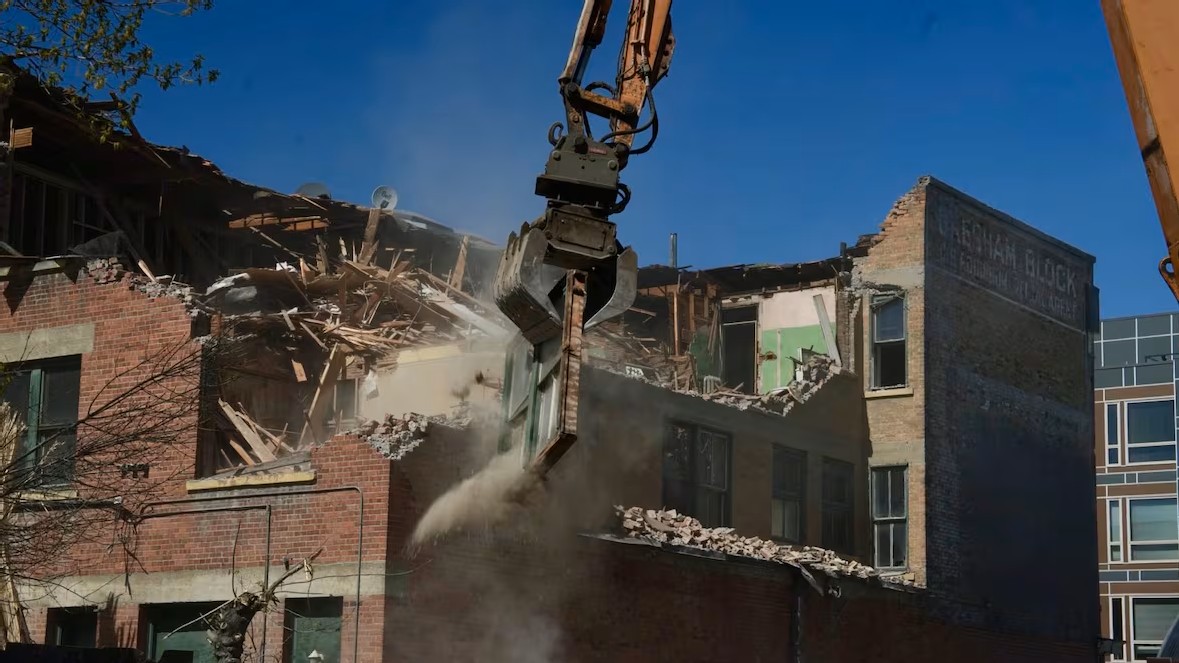
I certainly hope nothing on the scale of the Gresham Building, for example.
There’s so much more we can accomplish. For example, the original home of John Glenn was dismantled by the Archaeology Field Studies Team of the University of Calgary. It remains in pieces to this day. The intent was to reconstruct it, but funding has been lacking. This seems like a worthwhile project to continue celebrating Calgary’s founding.
There are other projects ongoing. Indigenous artifacts are being restored and displayed throughout our region. The Douglas Fir Trail requires constant care.
And then there’s the crown jewel of Calgary’s heritage, Stephen Avenue. The street is on course for rehabilitation work, yet the status of its heritage buildings is uncertain.
Only a couple years ago, 17 heritage buildings comprising most of the city block between 7th and 8th Avenues and Centre and 1st Street SW were up for demolition. The new project would have built an office tower, two residential towers (reaching 60+ storeys), and hotel and retail space, with only a couple facades remaining.
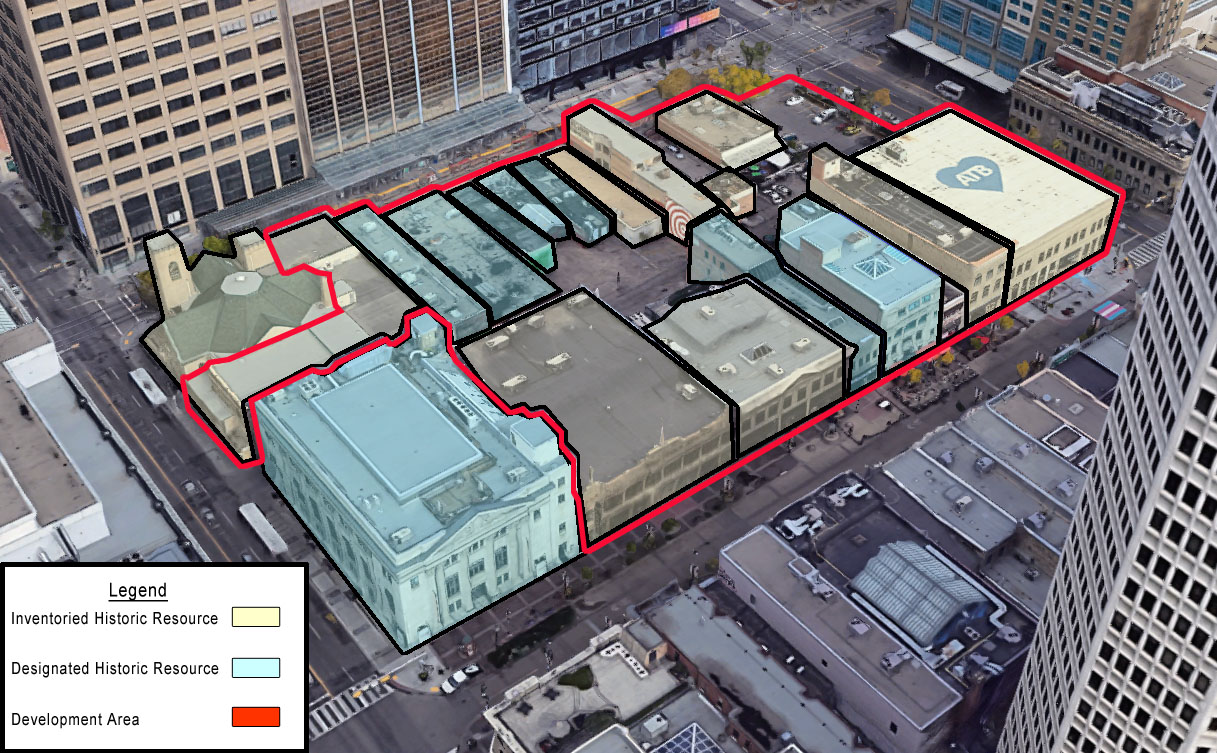
The project would have needed the city to change its heritage designations for several sites as well as the province, which would have seriously undermined the system of legal protections for heritage. However, the project was stalled when the province initiated a heritage review. So besides city officials, don’t forget to let your MLA know that you want Calgary’s heritage preserved.
If you’ll allow me to break the fourth wall (again), I’d like to make personal statement here. “Are we nuts to allow anyone to think they can touch Stephen Avenue?”
If Head Smashed in Buffalo Jump was in use during the building of the Pyramids, then I think we can consider Stephen Ave our Roman Colosseum, or the Grand-Place of Brussels, or take your pick of the world’s monumental heritage assets. Stephen Ave plays this role for Calgary and protecting it should be baked into the soul of every Calgarian and every iteration of City Council. This still means we can revitalize, restore, rejuvenate, etc. But tear down? No.
What’s Calgary’s Next Era
As we seek to protect, preserve and honour the heritage of Calgary’s past, the 11 other articles in this series raise one last question – what era is next?
Depending on your take, the next era could be called Spawl City, or maybe Skyscraper City. What about Logistics Hub, or Tech Town? Perhaps Energy Transition City?
What will we call the next era in Calgary’s history?
Whatever it’s called, I think one aspect of it must be that Calgarians highly value their heritage and work together to preserve the past, continue our traditions, exercise our freedoms and enjoy our prosperity.
On that note, at the end of this 150th anniversary year, may I take a go at defining the next era in Calgary’s short but distinguished history.
I think the next era could very well be Calgary as Prairie Capital.
What does it mean to be a Prairie Capital?
I think it means Alberta and Calgary will continue to provide our neighbours and allies with the gifts of this land, life giving energy and the best quality food: AAA beef and golden canola, along with Taber Corn, potatoes, bison, and on and on.
Our finest artisans will showcase the best of our bounty and landscapes, and residents will live a rich cultural and family life. We will be stewards of the land working to conserve nature and see it thrive as we build the next era of our great city.
And we will attract the best and brightest to advance the technologies and services that will balance development with conservation and ensure our prosperity into the next century.
Even as we stretch toward the future and diversify our economy and cultures, we will also remain true to our roots. We will honour Indigenous heritage and prosperity. We will remember our past as Cow Town and bring it to life as Stampede City.
We will build on our legacies as Oil Town and Olympic City, and bring it all together within our Prairie Capital here on the Great Plains of North America, along the Old North Trail, and gateway to the great Rocky Mountains.
Thank you for joining me on this journey through Calgary’s history. You can help by getting involved, being vocal, and continuing to learn and stay interested in Calgary’s history.
Happy 2026 to you all!
Further Reading
James Martin, Calgary: Unknown City, 2nd ed., Arsenal Pulp Press, 2001.
Lori Beattie, Calgary’s Best Walks, Fit Frog Books, 2015
Harry M. Sanders, Historic Walks of Calgary, Red Deer Press, 2005
Bill Corbett, Day Trips from Calgary, 3rd ed., Whitecap Books, 2011
https://calgaryherald.com/news/historic-gresham-block-building-in-inglewood-headed-for-demolition https://www.cbc.ca/news/canada/calgary/gresham-block-demolished-inglewood-1.7528254




Leave a Reply